




What Is a Roller One Way Clutch and How Does It Work
 May 22, 2026|
 View:766
A roller one way clutch is a machine part. It lets things turn in only one direction. It stops movement in the other direction. This clutch is important in machines. It makes sure power moves one way. This helps machines work better and last longer. The roller one way clutch can handle a lot of force. It also works at medium to high speeds. It needs oil often to last a long time. Knowing how this clutch works helps you pick the right part.
Key Takeaways
A roller one way clutch lets things move in one way only. It stops damage if something tries to move backward. These clutches are small and not heavy. They can hold a lot of weight from the side. This makes them good for many machines. You need to take care of them often. Oiling helps them last longer and work well. There are different kinds of one way clutches. Roller and sprag clutches are two types. Each type works best for certain jobs. Pick the right one for your machine. Suma's roller one way clutch has a zero-slip locking system. This gives strong turning power and works well for hard jobs.
What Is a Roller One Way Clutch
Basic Definition
A roller one way clutch is a special part. It lets a shaft or gear spin in just one direction. When power is used, it moves torque forward without problems. If the shaft tries to go backward, the clutch locks and stops it. This keeps machines safe from damage if they turn the wrong way. People also call it a freewheel clutch or a roller type one way bearing. All these names mean the same thing. They control which way things turn in machines.
Key Features
You can find roller one way clutches in lots of machines. They have many good points:
Unidirectional Torque Transmission: They move torque in one direction only. They let things move freely the other way. This stops machines from going backward and keeps them safe.
Low Friction in Neutral: When not working, the clutch makes very little friction. This saves energy and helps your machine work better.
Compact and Lightweight Design: The clutch has thin outer rings with ramps, plastic cages, springs, and needle rollers. This makes the clutch small and easy to fit in tight spots.
High Radial Load Capacity:Roller one way clutches can hold up heavy forces. This makes them good for tough jobs.
Fast Engagement: They are light and have low inertia. This means they lock and unlock fast. Machines can react quickly when needed.
Torque Capacity Range (Industrial) | 50–50,000 N·m |
|---|
Suma’s Roller Type One Way Bearing is a great example of this clutch. It has a special zero-slip locking system. This stops any play when turning backward and keeps torque steady. The bearing can handle up to 3,000,000 Nm of torque. This is much more than most industrial clutches. Suma does this by using careful machining and strong heat treatment. These steps make the clutch last longer and work better.
Feature | Description |
|---|---|
High-precision machining | Tight control for better performance. |
Advanced heat treatment | Makes the bearings last longer. |
Stable torque transmission | Gives quick response, which is important for machines. |
Strong OEM customization | Can change products to fit what clients need. |
Strict quality inspection | Checks at every step to keep quality high. |
Suma checks their clutches carefully to make sure they last. They test torque, hardness, and size. They also do tests for how long they last and check for noise and shaking. These checks make Suma’s roller type one way clutch a good pick for your machines.
Tip: When you pick a one way clutch, choose one that lasts and controls torque well. This helps you stop breakdowns and saves money on repairs.
You can trust one way clutch bearings like Suma’s. They give smooth and good power in cars, machines, and tools. Their small size and easy use make them great for many jobs where you need to control which way things turn.
How One Way Clutches Work
Operating Principle
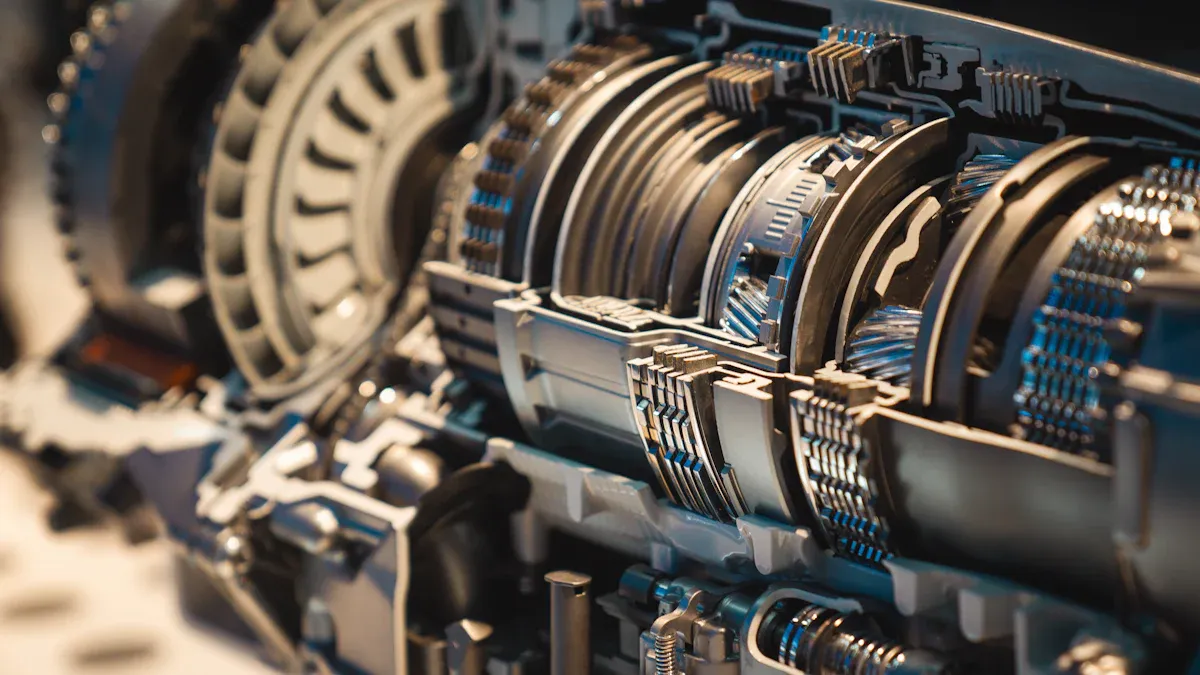
You may wonder how one way clutches move torque in just one direction. The secret is the roller-ramp design. When you turn the clutch forward, rollers roll up ramps inside. These ramps have a special angle, usually between 6° and 8°. As rollers go up, they get stuck between the inner and outer races. This locks the clutch and lets it move torque without slipping. If you turn the clutch backward, the rollers slide down the ramps. This lets the clutch spin freely and stops torque from moving backward.
Here is an easy step-by-step look at how one way clutch parts work when they lock and unlock:
You turn the clutch actuator, and it pushes the roller against the locking plunger.
The roller moves the plunger, so the block moves away from the output ring gear.
The clutch stays unlocked until you turn on the motor.
When the motor starts, the engaging plate spins and hits a tab on the actuator.
This makes the actuator turn, so the plunger locks back into the output ring gear.
Note: The locking plunger’s ears catch on stops when the clutch is locked. When you turn the clutch, the roller pushes the plunger along the cam surface, letting the clutch unlock. When the motor starts, the engaging plate spins, making the actuator turn and lock the plunger again.
This smart design gives you the overrunning or locking feature. You get smooth torque movement in one direction. The clutch can spin freely the other way. This is why one way clutch parts are so helpful in machines that need to move torque in only one direction.
Internal Mechanism
Inside every one way clutch, there are several main parts that help it lock and unlock. These parts work together to give strong torque and long life. Here are the main parts you will find in most one way clutch designs:
Inner race: This is the hard shaft-side part. It often has a cam shape or a smooth hole.
Outer race: This is the tough housing-side part. It is the wedging surface for the rollers.
Rollers: These are small cylinders that wedge between the races to lock the clutch and move torque.
Energising springs: These springs keep the rollers touching the races, even when the clutch spins freely.
Cage or retainer: This part holds the rollers in place and keeps them spaced out.
Suma’s Roller Type One Way Bearing uses smart engineering to make these parts work even better. The zero-slip locking system is special. It removes all reverse play, so you get instant torque movement with no delay. The clutch can handle up to 3,000,000 Nm of torque, which is much more than most clutches. You also get a small and changeable design that fits many machines.
Feature | Suma's Zero-Slip Locking Mechanism | Conventional Roller One Way Clutch |
|---|---|---|
Torque Capacity | Up to 3,000,000Nm for heavy-load jobs. | Varies, generally lower capacity. |
Zero-Slip Locking | Patented design removes reverse play. | Typically allows some reverse play. |
Service Life | Over 10,000 hours with anti-wear steel. | Generally shorter service life. |
Design | Compact and customizable for high-speed use. | Often bulkier and less customizable. |
To help your clutch last longer, Suma adds special anti-wear features. The precessing retainer lets the rollers move around the raceway, spreading out wear and loading different spots. Special lubricants help reduce friction and wear, so your clutch keeps working well for a long time.
Anti-Wear Feature | Description |
|---|---|
Precessing Retainer | Lets rollers move around the raceway, spreading out wear and loading different areas. |
Specialized Lubricants | Improves lubrication, reduces friction and wear. |
When you use a one way clutch with these features, you get strong torque movement, high torque ability, and a clutch that moves torque smoothly and spins freely when needed. This is how one way clutches work to keep your machines safe, efficient, and lasting a long time.
Types of One-Way Roller Clutches
When you look at one way clutch types, you will find several designs. Each one works best for certain jobs. You need to know the differences to pick the right one for your machine.
Roller Type One Way Clutch
The roller type one way clutch is one of the most common one way clutch types. You will see it in many machines that need to move in only one direction. This clutch uses rollers and ramps to let the shaft turn one way and lock if it tries to turn back. The rollers fit between an inner and outer ring. When you turn the shaft forward, the rollers roll up the ramps and let the clutch spin. If you try to turn it backward, the rollers wedge tight and stop the motion. This gives you strong control and keeps your machine safe.
Here is a table to help you see how different one-way roller clutches are built:
Type of Clutch | Construction Details |
|---|---|
Ramp and Roller Clutch | Outer ring with a smooth inside, inner ring with ramps, and rollers that touch both rings. This design gives you quick action during overrunning clutches. |
Wedge Clutch | Inner ring, outer ring, wedge group, wedge retainer, strong spring, and bearing. The wedge locks between the rings. The angle of the wedge changes to handle more torque. |
Self-Locking Angle | The wedge’s angle and friction decide how well the clutch locks. The design lets you change the angle to control torque. |
You will find roller type one way clutch designs in many overrunning clutches. They work well in starter motors, conveyors, and gearboxes. You can trust them for smooth and safe power flow.
Sprag Clutch Comparison
You may also hear about the sprag type one way clutch. This clutch uses small, curved pieces called sprags instead of rollers. The sprags tilt to lock or unlock the clutch. When you compare the roller type one way clutch to the sprag type one way clutch, you will see some key differences.
Here is a table to help you compare:
Type of Clutch | Advantages | Disadvantages |
|---|---|---|
Sprag Clutch | High transient torque, bi-directional operation | Backlash between teeth or gears |
Roller Clutch | Passive operation, no external actuation needed | Bulky size due to inner and outer rings |
The sprag type one way clutch can handle quick changes in torque. It can also work in both directions if needed. You may notice some play, called backlash, in the sprag type one way clutch. The roller type one way clutch does not need outside help to work. It is simple and strong, but it can be bigger than other overrunning clutches.
Tip: When you choose between one way clutch types, think about the space you have, the torque you need, and how fast your machine moves. Each clutch has its own strengths for different jobs.
You will see both roller type one way clutch and sprag type one way clutch in many overrunning clutches. They help you control motion and keep your machines running safely.
Applications of Roller One Way Clutch
The one way clutch is used in many industries. It gives strong control in only one direction. Suma’s roller one way clutch is very flexible. It can be changed to fit many needs. It has important certifications like ISO 9001 and aerospace standards. You can trust it in tough places.
Automotive Systems
The one way clutch helps cars work safely and smoothly. It is found in automatic transmissions, starter motors, and hybrid drives. The clutch lets parts move forward. It locks them if they try to go backward. This keeps your car safe and working well.
Here is a table with common uses in cars:
Application Type | Description |
|---|---|
Automatic transmission | Helps with shifting and smooth gear changes. |
Starter motors | Stops the engine from hurting the starter. |
Alternator pulley | Lets the alternator spin freely when slowing down. |
Hybrid system | Switches power between motor and engine for better energy use. |
The clutch in the starter motor stops damage. It makes the starter work well every time you start your car.
Tip: The roller one way clutch in E-starter systems connects the electric starter to the crankshaft. It stops reverse turning and protects the starter.
Industrial Automation
You see the one way clutch in many factory machines. It helps conveyors move items forward. It stops them from rolling back when the belt stops. In robots, the clutch gives safe and exact movement. If one motor stops, another can keep the machine running.
Suma’s roller one way clutch meets strict quality rules. Here are some certifications to look for:
Certification | Description |
|---|---|
ISO 9001 | Quality management systems standard |
IATF 16949 | Automotive quality management system standard |
Aerospace-grade | Meets aerospace industry requirements |
Power Tools and Aerospace
The one way clutch is also used in power tools and airplanes. In power tools, it lets you drive screws or drill forward. It stops the tool from spinning backward. In airplanes, the clutch helps control landing gear and other parts that need one-way movement.
Suma gives many choices for these hard jobs. You can pick different materials, sizes, and full clutch sets with gears or pulleys. This means you get a clutch that fits your needs, whether you build robots, planes, or special tools.
Note: The roller one way clutch gives safe and steady motion control in many fields. You can rely on it for everyday machines and high-tech equipment.
A one way clutch helps machines move in just one direction. It uses rollers or sprags to lock or unlock when needed. You can find these clutches in cars, factories, and tools. When picking a clutch, think about how much weight it will hold. Also, check how fast it needs to spin. The material is important too.
Material | Advantages | Applications |
|---|---|---|
Stainless Steel | Stops rust, works well in wet places | Food, boats |
Chrome Steel | Handles big loads, very strong | Building, machines |
Tip: Make sure your clutch has enough oil. Check it often so it lasts longer.
FAQ
What does a roller one way clutch do?
You use a roller one way clutch to let parts turn in only one direction. It stops movement if you try to turn backward. This keeps machines safe and working right.
Where can you find roller one way clutches?
You see roller one way clutches in cars, factory machines, power tools, and airplanes. They help starter motors, conveyors, and landing gear move safely.
How do you keep a roller one way clutch working well?
You check the clutch often. You add oil to reduce friction. You clean the parts to stop dirt from causing wear. This helps your clutch last longer.
Can you customize a roller one way clutch?
Yes! You can choose different sizes, seals, and flange types. Suma lets you pick what fits your machine best.
What makes Suma’s Roller Type One Way Bearing special?
Suma’s bearing uses a zero-slip locking system. You get strong torque and long life. The bearing handles heavy loads and fits many machines.
I want to comment
Recommended Products

indexing clutch丨Indexing Element One Way Sprag Clutch

BREU Basic series and BREU-K series High Torque Cam Clutch

ND NJ NYD Conveyor Backstop Clutch

ND16-ND7000 Freewheel Backstop Clutch

BS160-BS450 One Way Bearing Cam Clutch

SLH Holdback Sprag Over Run Clutch

SH Series Sprag Clutches Backstop

SH Series Sprag Clutches Holdback Sizes 700 to 1027

MZEU E1 Flange+E2 Flange Backstop Clutch Bearing


Recent News
1.Common mistakes when using one-way bearings
2026-05-132.Top 10 Chinese One Way Bearing Manufacturers 2026
2026-04-293.Top 5 Freewheel Clutch Bearing Manufacturers in Brazil
2026-04-084.A Complete Guide to Holdback Backstop Bearing Clutch Applications in Heavy Industry
2026-06-175.Freewheel Overrunning clutch for automation in 2026
2026-04-026.Why Sprag Clutch Bearings Matter in Industrial Applications
2026-02-267.The Ultimate Guide to One Way Clutch: Selection, Maintenance, and Troubleshooting
2026-03-28


View More(Total0)Comment lists