




One way bearing pros and cons for your machines
 Jan 05, 2026|
 View:1630
You may ask if a one way bearing is good for your machines. This bearing can make your machine work better. It can also make fixing it easier. But there are some bad sides too. Many one way bearings do not need oil or grease. This makes them great for clean or dusty places. You do not have to worry about dirt getting in. You also lower the chance of your machine breaking. But bearings with oil need more parts and cost more money. Putting oil on by hand can take a lot of time and money. If you do not oil it right, your machine can stop working and need repairs.
Think about these things. They change how your machine works, how often you fix it, and how much money you spend each year.
Key Takeaways
One way bearings help machines work better. They let parts move in one direction. This helps stop parts from wearing out fast.
These bearings do not need much care. They work best in clean places. This saves time and money on fixing them.
One way bearings work well in many machines. But they can break if the load is too heavy. So, check what your machine needs before using them.
Think about where the machine will be used. One way bearings work in very hot or cold places. But dirt and water can cause problems for them.
If your machine must move both ways, pick a different bearing type. This will help your machine work its best.
What Is a One Way Bearing?
Basic Function
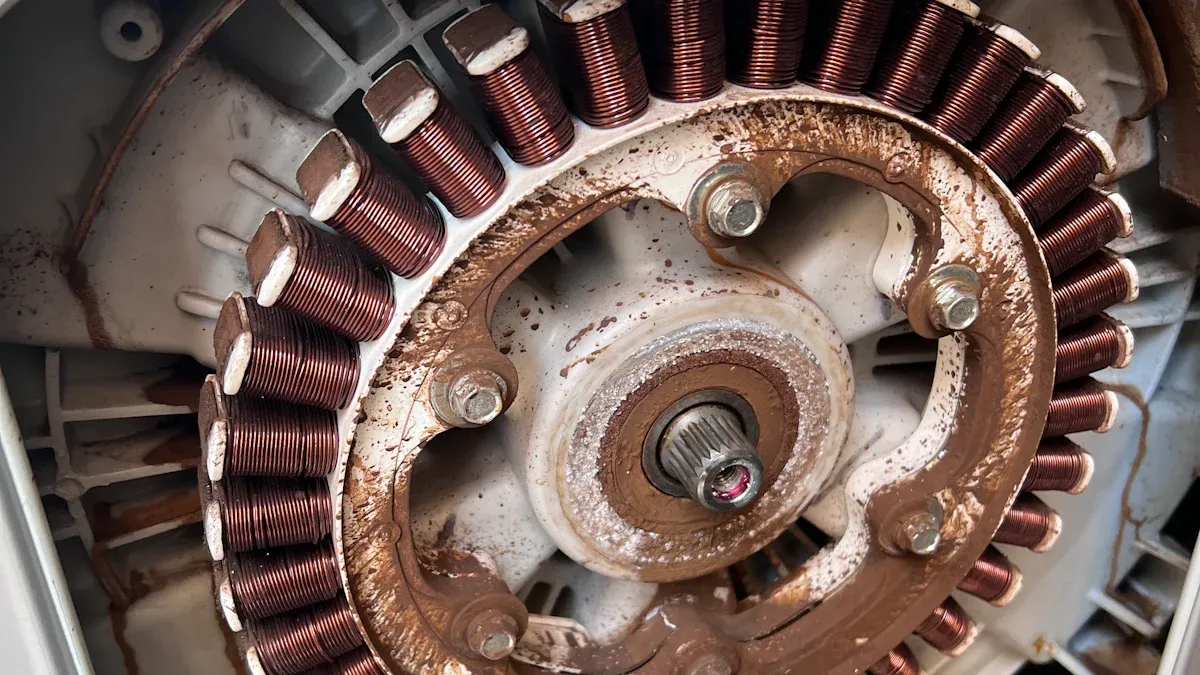
A one way bearing lets things turn in just one direction. It helps your machine move forward but stops it from going backward. You can find one way bearings in bikes, starter motors, and conveyor belts. The main job is to move force from one part to another. It does not let force slip the wrong way. If you want to stop reverse movement, you use a one way clutch or needle bearing.
The bearing locks when you push it the right way. If you try to turn it back, it unlocks and spins freely. This keeps your machine safe from damage. It also helps your machine work well. You do not need extra parts or hard controls. The simple design makes fixing easy and saves time.
Tip: A one way needle bearing can help lower wear. It works well with heavy loads and lasts longer in tough places.
How One Way Bearing Works
To see how a one way bearing works, look inside it. The bearing has rollers or sprags between two rings. When you turn the shaft the right way, the rollers lock and move force to the other shaft. If you turn it back, the rollers let go and the shaft spins without stopping.
Here is a table that shows the main ideas:
Description | |
|---|---|
Ramp and Roller Design | Lets things spin one way, locks with rollers the other way. |
Wedge Design | Uses wedges to grab and move force between rings. |
Locking and Release | Locks to move force, unlocks for free spinning the other way. |
When locked, the rollers squeeze between the rings and move force.
When unlocked, the shaft turns freely and the bearing does not get in the way.
You see one way bearings in lots of machines because they keep movement safe and steady. If you want to know how it works, remember it locks one way and lets go the other way. This helps protect your machine and saves money on repairs.
One Way Bearing Pros
High Torque Transmission
A one way bearing can handle strong force in machines. It works in both light and heavy jobs. One-way sprag clutches can manage many torque needs. This makes them good for machines that need steady power. Keyways in the design help move force better. They keep your equipment running well. You get steady force, which is important for many jobs.
One-way bearings work for both low and high torque.
Keyways help make torque stronger and more reliable.
Machines with these bearings often work better.
Minimized Backlash
A big plus of a one way bearing is less backlash. Backlash is when gears or shafts move the wrong way. With a one way clutch or needle roller clutches, you stop this problem early. The bearing locks one way and lets go the other way. This gives you smooth and controlled movement. Your machine stays accurate and works well.
Tip: Less backlash means your machine parts last longer and break less.
Wide Temperature Range
You can use a one way bearing in many places. It works in both hot and cold weather. These bearings stay strong in changing temperatures. This makes them great for outdoor machines or busy factories. Needle roller clutches also work well in very hot or cold places. You do not have to worry about sudden stops.
Reduced Energy Use
A one way bearing helps your machine use less power. When it unlocks, it lets parts spin freely. This saves energy and cuts waste. The overrunning feature means your machine only uses power when needed. You save money on energy bills. Overrunning also lowers the load on motors and other parts. This makes your system work better.
Overrunning saves energy when the machine is not working.
Using less energy saves money over time.
Lower Wear and Tear
You want your machines to last a long time. One way bearings help by lowering wear on moving parts. When unlocked, they let shafts spin without much friction. Needle roller clutches last longer because they lower stress on your machine. Less friction means you spend less on repairs.
Note: Lower wear means your machine lasts longer and breaks less.
Simplified Design
A one way bearing can make your machine easier to build. You do not need extra parts to control direction. The bearing does this job by itself. This makes your machine easier to put together and fix. Needle roller clutches and one way roller clutch designs give you good control without making things hard. You get a simple and reliable setup.
One-way bearings give you control in one direction.
Fewer parts mean less can go wrong.
Less Downtime
Machines with one way bearings stop less often. The bearings block reverse motion and protect your equipment. Overrunning lets your machine keep working without stopping for fixes. You spend less time fixing and more time working. This is important in places like conveyor belts and car parts, where time matters.
Remember: Less downtime means you get more work done and save money.
One Way Bearing Cons
Failure Under High Loads
You may notice that one-way bearings do not always work well under heavy loads. If you use them in machines that push them too hard, they can fail. High loads can cause different problems. You might see wear from friction or even cracks in the bearing. Sometimes, the shape of the bearing changes, or it rusts because of chemicals. These problems can stop your machine and cost you money.
Here is a table that shows the most common ways a one-way bearing can fail under high loads:
Failure Mode | Description |
|---|---|
Wear | Caused by cyclic loads and friction. |
Fatigue | Results from repeated stress over time. |
Fracture | Can occur under extreme stress conditions. |
Corrosion | Deterioration due to chemical reactions. |
Deformation | Changes in shape under high load. |
Tip: If your machine needs to handle heavy loads all the time, you may want to look for a different type of bearing.
Limited Versatility
One-way bearings do not fit every job. You can only use them in machines that need to move in one direction. If your machine needs to go forward and backward, these bearings will not work. Some machines need more control over movement. One-way bearings cannot give you that. You may find that you need to buy extra parts or change your design. This can make your project harder and more expensive.
One-way bearings work best in simple, one-direction jobs.
You may need to look for other options if your machine needs to reverse.
Maintenance Costs
You might think that one-way bearings have low maintenance requirements. In some cases, this is true. But you still need to check them often, especially if your machine works hard. If you do not keep up with installation and maintenance, the bearing can wear out fast. You may need to replace it sooner than you want. This can raise your costs over time.
Bearings in dirty or wet places need more care.
Skipping installation and maintenance can lead to early failure.
Note: Even with reduced maintenance, you should still check your bearings on a regular schedule.
Compatibility Issues
You may run into problems when you try to add a one way bearing to your machine. Some machines need special sizes or shapes. You might have trouble getting the bearing to fit just right. If you use a needle roller bearing, you need to make sure the shaft is the right size. Sometimes, the way you attach the bearing can cause it to slip. You also need to use strong materials, like hardened steel, for high-load jobs.
Here is a table that shows the most common compatibility issues:
Issue Type | Description |
|---|---|
Installation Challenges | Tight shaft OD tolerances for needle roller bearings require more work to achieve proper fit. |
Torque Transmission | Press fit is commonly used to transmit torque, but slippage can occur in clamped joints. |
Material Considerations | Hardened steel shafts are recommended for high load applications with one-way bearings. |
Callout: Always check your machine’s parts before you choose a one-way bearing.
Noise and Vibration
You may hear more noise when you use one-way bearings. Some designs make a clicking or grinding sound. This can happen when the bearing locks or unlocks. Vibration can also be a problem, especially if the bearing is not installed right. Too much noise or shaking can bother workers and may even damage your machine over time.
One-way bearings can make more noise than other types.
Vibration can shorten the life of your machine.
Tip: If your machine needs to run quietly, you may want to pick a different bearing.
When to Use One Way Bearings
Best Applications
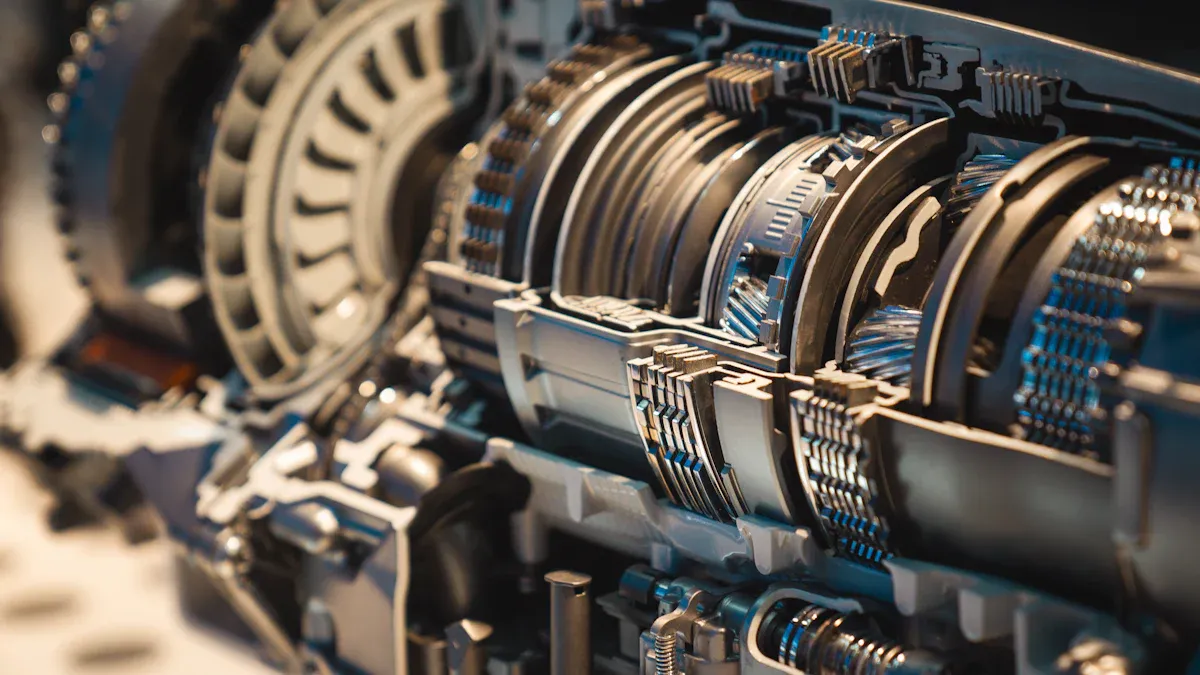
Use a one way bearing if your machine only moves one way. Many factories use these bearings for simple control. They stop machines from moving backward. This keeps your equipment safe and working well.
Here are some places you find one-way bearings:
Paper systems in copiers, fax machines, and towel dispensers
Exercise machines that need smooth, one-way movement
Appliances that need controlled motion
Two-speed gearboxes for cars or machines
Rack drives that move parts step by step
Converters, non-return devices, and special clutches
Fishing reels, RC cars, RC helicopters, and RC engines
One-way bearings work in many machines. They help you control movement and keep your equipment safe from harm.
When Pros Outweigh Cons
Pick a one-way bearing if the good sides fit your needs. If your machine needs strong power in one direction, this bearing gives steady force. You also get less damage, so your machine lasts longer. One-way bearings help save energy and make your design easy. You spend less time fixing things and more time working.
If your machine does not need to go backward, the good sides are better than the bad. Conveyor belts and starter motors are good examples. These machines move one way and do not slip back. In these cases, you get better work and less stopping.
Tip: Always check if your machine needs to move both ways. If not, a one-way bearing can help you save time and money.
When to Avoid One Way Bearings
Problematic Scenarios
You should avoid using a one way bearing in certain situations. Some machines face problems that make one-way bearings a poor choice. Here are common issues you might see:
Insufficient lubrication can cause metal parts to rub together. This leads to overheating and a shorter life for your bearing.
Extreme temperatures in your work area can change how lubricants work. If it gets too hot or cold, the lubricant may harden or thin out. This increases friction and can cause failure.
Dirt and debris can get inside the bearing. This contamination can stop the bearing from turning and cause serious damage.
Moisture can enter the bearing and cause rust. Rust will damage the inside parts and make the bearing fail.
If you put too much weight on the bearing, it will not last long. Overloaded bearings lose performance and break down faster.
If the load is too light, the rolling parts may skid. This can make the bearing fail sooner than expected.
Misalignment or too much clearance can cause the bearing to bind. This leads to more wear, noise, and possible breakdowns.
Tip: Always check your machine’s needs before choosing a one-way bearing. If you see any of these problems, you may want to look for another option.
Alternatives
If a one-way bearing does not fit your needs, you have other choices. You can use standard ball bearings for machines that move in both directions. These bearings handle forward and backward motion well. For heavy loads, consider using cylindrical roller bearings. They support more weight and last longer under stress. If you need less noise, magnetic clutches or fluid couplings can help. These options give smoother and quieter operation.
You can also look at gear-based systems for more control. These systems let you change direction and speed as needed. Always match the alternative to your machine’s job. This helps you avoid problems and keeps your equipment running well.
You gain many benefits from a one way bearing, such as less wear, simple design, and lower energy use. You also face limits with heavy loads and noise. Before you choose, check these key factors:
Factor | Why It Matters |
|---|---|
Load | Handles your machine’s stress |
Speed | Matches your equipment’s rotation |
Environment | Resists heat, cold, and moisture |
Pick a bearing that fits your space, speed, and load. Always check for industry standards like ISO 9001. Match the bearing to your machine’s needs for the best results.
FAQ
What is the main job of a one way bearing?
A one way bearing lets a shaft turn in one direction. It stops the shaft from turning the other way. You use it to control movement and protect your machine from damage.
Can you use a one way bearing in both directions?
No, you cannot. A one way bearing only works in one direction. If your machine needs to move forward and backward, you should pick a different type of bearing.
How do you know if a one way bearing is failing?
You may hear more noise or feel vibration. The machine may not move as smoothly. You might see more wear or even cracks. Always check your bearing if you notice these signs.
Do one way bearings need a lot of maintenance?
Most one way bearings need little care. You should still check them often for dirt, rust, or wear. Clean and replace them as needed to keep your machine safe.
Where do you see one way bearings most often?
You find them in conveyor belts, starter motors, bikes, and paper feeders. They work best in machines that only move one way and need to stop backward motion.


I want to comment
Recommended Products

FWD Motorcycle One Way Freewheel Clutch

Sprag Type Start Clutch Assembly

Inner core for one way clutch

BS & BS-HS Cam Clutch Bearing

DM Series - Sprag Clutches - Sizes 125 to 513

Internal Freewheels RCD

one way mechanical clutch

MG-R SERIES CAM CLUTCH

BR SERIES CAM CLUTCH

BREU Basic series and BREU-K series High Torque Cam Clutch


Recent News
1.Spare parts of Drones Freewheel Clutch Bearing FE
2016-03-122.A wide range of applications backstops FRHM
2016-02-273.One way clutch bearings: Improving the safety and efficiency of medical equipment
2023-04-124.One way roller bearings: key components of precision machine tools
2023-04-185.Noice and Maintance of One Way Needle Roller Bearing
2019-09-126.How to install one way roller bearing?
2019-07-247.Customized-made freewheel one way bearing for net reel
2016-05-14


View More(Total0)Comment lists