




Freewheel Overrunning clutch for automation in 2026
 Apr 02, 2026|
 View:348
You use a freewheel overrunning clutch to send power one way. It lets things spin freely the other way. This clutch is very important in automation. It will be even more important in 2026. New centrifugal lift-off sprag type freewheel designs, like the RIZ series, work better and last longer. New products help you keep up with more people wanting automation.
The global freewheel clutches market will be $14.41 billion in 2025.
Experts think it will grow 8.2% each year from 2026 to 2033.
The market could be $23.12 billion by 2033.
Key Takeaways
Freewheel overrunning clutches let power move one way. They let parts spin freely the other way. This is important for smooth automation.
The global market for freewheel clutches will grow a lot. It may reach $23.12 billion by 2033. Using these technologies can make your automation systems better.
Picking the right freewheel clutch, like the RIZ series, gives better performance and lasts longer. Match the clutch to your machine’s torque and speed for best results.
Regular care of your freewheel clutch is important. Check for dirt and add lubrication. This can stop expensive breakdowns and make it last longer.
Smart clutch technology will change automation. It gives real-time data on how things work. This helps you fix problems before they happen.
Freewheel Overrunning Clutch Basics
What Is a Freewheel Clutch
You use a freewheel clutch to control motion in one direction. This device lets a shaft turn freely when you do not need power. When you need to send power, the freewheel clutch locks and moves the part. You find this type of clutch in many machines. It helps you stop or start motion without stopping the whole system. The freewheel clutch works like a one-way gate for movement. You can think of it as a helper that only lets things move when you want.
Core Function in Automation
You see the freewheel clutch play a big role in automation. It helps machines run smoothly and safely. Here is how the freewheel clutch supports automation:
The freewheel clutch gives automatic disengagement. When the driven part moves faster than the driver, the clutch lets it spin without extra force. This saves parts from wearing out.
You save energy because the freewheel clutch lets parts coast when not powered.
The freewheel clutch makes machines slow down gently. This smooth deceleration keeps your system safe and extends its life.
You get precise movement. The freewheel clutch stops unwanted backward motion, so your machine works with less backlash.
You can trust the freewheel clutch to keep your automation system running well.
Why It Matters in 2026
In 2026, you will see more machines that need smart control. The freewheel overrunning clutch will help you meet these needs. As factories use more robots and smart tools, you need a freewheel clutch that works fast and lasts long. New designs, like centrifugal lift-off sprag types, give you better speed and less wear. You can count on the freewheel clutch to support new technology and keep your systems efficient.
How Overrunning Clutches Work
Mechanism and Operation
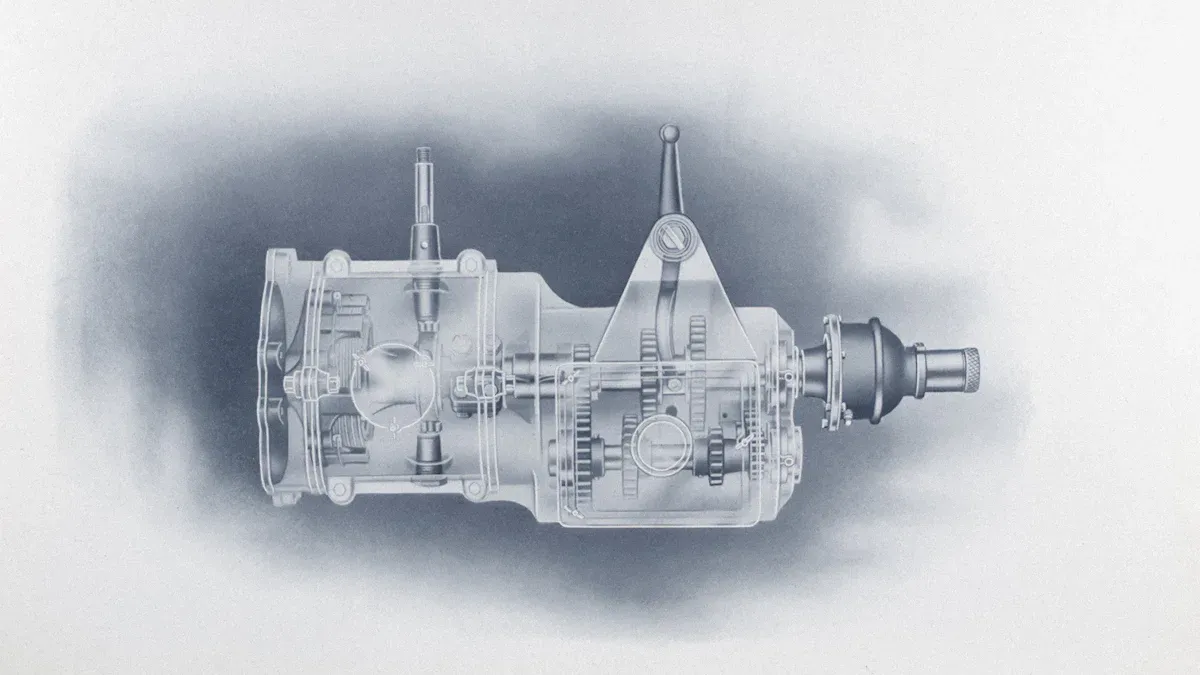
You can learn about overrunning clutches by seeing how they move things. These clutches let a shaft spin on its own if it goes faster than the drive part. When you need power, the clutch locks and sends torque in just one way. This keeps your machine safe and helps it work well.
Here is a simple table that shows the main steps inside a freewheel overrunning clutch:
Mechanical Process/Configuration | Description |
|---|---|
Overrunning Mechanism | Lets the driven shaft spin on its own if it turns faster than the drive shaft. |
Torque Transfer | Sends torque in only one way, so the driven shaft can keep spinning by itself. |
Configurations | Uses designs like ratchet and jaw, rollers inside a cylinder, or helical springs that get tighter. |
These parts work together to give you smooth and steady motion control.
Applications in Automation
You use overrunning clutches in lots of machines for automation. These clutches help machines keep working without stopping or getting stuck. For example, you find them in conveyor belts, packaging lines, and robot arms. They let parts move at different speeds and stop damage if one part goes faster than another. You also see them in backup drives, where they keep things running if the main drive stops.
Tip: You can make your system safer and last longer if you pick the right clutch for your automation.
Typical Use Cases
You see overrunning clutches in many machines you use every day. In a conveyor system, the clutch lets the belt slow down and stop without any sudden shakes. In printing presses, it stops paper jams by letting rollers spin when needed. You also find these clutches in elevators, where they help control the cabin and keep people safe. When you use these clutches, your machines work better and are easier to control.
Benefits of Freewheel Clutch in Automation
Efficiency and Reliability
You want your machines to work smoothly and last a long time. A freewheel clutch gives you both. When you use a freewheel overrunning clutch, you get automatic operation. The clutch engages and disengages by itself. You do not need to control it with electronics or by hand. This quick reaction keeps your system safe and reliable.
You also get a compact design. Freewheel clutches fit into small spaces, so you can use them in many types of machines. You do not have to worry about frequent repairs. These clutches have fewer moving parts, which means less maintenance. You save time and money because your machines do not stop often. The strong materials in a freewheel clutch help it last, even in tough places.
Automatic operation for instant response
Compact size for easy installation
Low maintenance needs
Durable build for long service life
Cost and Performance
You can lower your costs when you choose a freewheel clutch. The simple design means you spend less on repairs and parts. You do not need to stop your machines for long checks. This keeps your work going and saves money. The freewheel clutch also boosts performance. It lets your machines run at the right speed and protects them from damage. You get more work done with less effort.
Tip: Using a freewheel clutch helps you avoid costly breakdowns and keeps your automation running strong.
Adaptability to New Tech
You need machines that can keep up with new technology. Freewheel clutches adapt well to modern systems. You can use them in robots, smart conveyors, and other advanced tools. The freewheel clutch works with many types of drives and motors. You can trust it to fit your future needs. As automation grows, the benefits of a freewheel clutch become even more important.
Selecting the Right Freewheel Overrunning Clutch
Key Criteria and Sizing
You want your automation system to work well. You need to pick the right freewheel clutch for your machine. Start by looking at the size and type of freewheel that fits your needs. The RIZ...G1G2 and RIZ...G2G7 series give you many options. These units use a centrifugal lift-off sprag type. This design helps the freewheel last longer and run smoother at high speeds.
You must check the torque and speed your machine needs. Torque is the force that turns the shaft. Speed is how fast the shaft spins. If you match these numbers to your freewheel clutch, your system will run safely. Use this table to see how torque and speed relate to clutch choice:
Factor | What to Check |
|---|---|
Torque | Make sure the clutch can handle the force your machine needs. |
Speed | Check the maximum speed the freewheel can run without damage. |
Thermal Load | Think about how much heat the clutch will make during use. |
Cycle Rate | Count how often the clutch will engage and disengage. |
You also need to think about how your machine stops. Some machines need quick stops. Others need softer stops. The right size and type of freewheel clutch depend on these needs.
Compatibility Factors
You must make sure your freewheel clutch fits your system. The RIZ series makes this easy. Each unit comes pre-greased and ready to use. You can install them in horizontal or vertical positions. The inner race rotation feature lets only the inside part spin. This helps in applications where you need high overrunning speeds.
You should check these points for compatibility:
Machine envelope: Make sure the freewheel fits in the space you have.
Shaft size: Match the clutch bore to your shaft.
Lubrication: The RIZ series has a grease pocket and a contact-free seal. This keeps the freewheel clutch clean and running well.
Mounting: Choose a unit that works for your mounting direction.
You can trust the RIZ...G1G2 and RIZ...G2G7 to fit many types of automation equipment. These freewheel clutches work in robots, conveyors, and electric tools.
Performance Considerations
You want your freewheel clutch to perform well every day. Look at both static and dynamic torque values. Static torque is the holding force when nothing moves. Dynamic torque is the force when things are moving. Both numbers show how much work your freewheel can do.
You should also think about temperature. When the clutch works, it makes heat. Too much heat can cause problems. The RIZ series uses a special design to handle heat better. The centrifugal lift-off sprag type reduces wear and keeps the freewheel cool.
Here are some tips for top performance:
Pick a freewheel clutch with the right torque and speed for your job.
Check the thermal capacity if your machine runs a lot.
Use a pre-greased unit to save time and avoid mistakes.
Make sure the freewheel clutch can handle your cycle rate.
Tip: Always match your freewheel overrunning clutch to your machine’s needs. This keeps your system safe and helps it last longer.
You can count on the RIZ...G1G2 and RIZ...G2G7 series for strong, reliable performance in modern automation.
Installation and Use of Overrunning Clutches
Preparation and Safety
Check your workspace before you start. Make sure you have the right tools and safety gear. Clean the spot where you will put the freewheel clutch. Dirt or old grease can cause trouble later. Read the product manual to learn the steps and safety rules. If you follow these steps, you keep yourself and your equipment safe.
Installation Steps
The RIZ series is simple to install. Each freewheel clutch comes ready with grease inside. You do not need to add more grease before you start. You can put the freewheel in a horizontal or vertical spot. Use the right bolts and tighten them to the correct force. Make sure the freewheel clutch fits tightly on the shaft. The grease pocket and special seal help keep the unit clean and working well.
Tip: Check the alignment again before you finish. Good alignment helps your freewheel clutch last longer.
Integration with Automation Systems
Adding a freewheel clutch makes your machines work better. Here are some ways it helps your system: It lets parts connect or disconnect by themselves when speeds change, which saves energy. It stops parts from spinning backward, so your machines stay safe. It can take the place of pricier clutches, which saves you money. You can use the freewheel clutch in robots, conveyors, and electric tools. The design lets only the inside part spin, which is great for high-speed overrunning.
Mistakes to Avoid
Do not forget to clean the mounting area. Never push the freewheel clutch onto the shaft. Do not use the wrong grease or add more grease to a unit that already has it. Do not ignore the way you mount the clutch. Always check the seals and make sure they are in the right place. If you follow these tips, your installation will be easy and your freewheel clutch will work well.
Maintenance and Troubleshooting for Freewheel Clutch
Routine Checks
You need to check your freewheel clutch often to keep it working well. First, make sure the clutch stays clean. Dirt or dust can hurt how it works. Use a soft brush or cloth to wipe off anything on the outside. Next, look at the lubrication. Good grease or oil helps the clutch move smoothly and keeps it from getting too hot. Check the grease or oil often, especially if your machine is in a tough place. Add more grease if it looks dry or dirty. Doing these easy things helps stop damage and makes your clutch last longer.
Common Issues and Fixes
Problems can still happen even if you take care of your clutch. Overheating is a problem that happens a lot. It can be caused by the wrong size clutch or power problems. If your clutch gets hot, check if it matches your machine’s torque and speed. Sometimes, the clutch loses torque if it is not lined up right or if the power is not steady. Bad alignment puts extra stress on the clutch and can make it break early. Watch out for coil failure too. This can happen if you use AC voltage on a DC coil by mistake. Always check your wires before you start. Picking the wrong size clutch is another problem. If the clutch is too small, it can get hot and break fast. Make sure all parts, like set screws, are tight so nothing comes loose.
Maximizing Service Life
You can help your freewheel clutch last longer by following some simple steps. Check your clutch often for any signs of damage or wear. Fix problems right away so they do not get worse. Use the right grease and do not use too much, because too much grease can bring in dirt. When you put in a new clutch, make sure it is lined up and the right size. Try not to let the clutch get too hot or dirty, because that can make it wear out faster. Using a good, pre-greased clutch like the RIZ series makes care easier and helps you avoid mistakes. If you handle your clutch the right way and check it often, it will work well for a long time.
Tip: Always do what the manufacturer says for maintenance and fixing problems. This helps your freewheel clutch stay strong and work well in your automation systems.
Future Trends in Overrunning Clutches
Smart Clutch Technology
Smart clutch technology will change how machines work. These clutches have sensors that check speed, temperature, and wear. You get alerts before something goes wrong. This helps you fix problems early and avoid long stops. Smart clutches can change how they work to do a better job. You do not have to guess when to do maintenance. The clutch tells you when it needs care. This makes your machines safer and more reliable.
Industry 4.0 Integration
Freewheel clutches will be more important in Industry 4.0. Many factories use smart systems to control machines now. Overrunning clutches help these systems work well. Here are some ways they fit into Industry 4.0:
You get smooth power for high-performance machines.
You can cut downtime because the clutch works with smart sensors and controls.
More people want freewheel clutches as automation grows in manufacturing, mining, and material handling.
You make your system work better by using advanced clutches in connected systems.
You can count on these clutches to keep up with fast changes in factories.
Predictions for 2026
Big changes are coming in 2026. Freewheel technology will get even smarter. More machines will use sensors and data to work better. Some clutches may talk to other parts of the system. This means you can watch and control your machines from anywhere. Overrunning clutches will help you save energy and money. More factories will use these clutches in robots, conveyors, and electric tools. The need for smart and reliable freewheel clutches will keep growing as automation spreads.
Tip: Keep learning about new clutch technology. This helps you keep your automation systems ready for the future.
You can make your automation better by doing a few things. Pick the best freewheel overrunning clutch for your machine. Put it in carefully and check it often to keep it working well. New products like the RIZ series help you get ready for the future. Stay up to date by reading Motion Control Tips, Verified Market Research, Design World Network, and Engineering White Papers. These resources help you learn new things and keep up as technology changes.
FAQ
What is a freewheel overrunning clutch?
You use a freewheel overrunning clutch to let a shaft turn in one direction. It locks when you need power. It spins freely when you do not. This helps machines run smoothly.
Where can you use the RIZ series clutch?
You can use the RIZ series clutch in robots, conveyors, electric tools, and automation equipment. It works well in places where you need one-way power transmission.
How do you install a pre-greased freewheel clutch?
You clean the mounting area. You place the clutch on the shaft. You secure it with the right bolts. You do not add extra grease. The unit comes ready for use.
How often should you check your freewheel clutch?
You should check your freewheel clutch every few months. Look for dirt, wear, or low grease. Regular checks help your clutch last longer and work better.
What makes the RIZ series special?
The RIZ series uses a centrifugal lift-off sprag type. It has a grease pocket and a contact-free seal. You get a pre-greased, self-contained unit that is easy to install and maintain.


View More(Total0)Comment lists