



Everything You Need to Know About Freewheel Clutches in 2026
 Mar 12, 2026|
 View:337
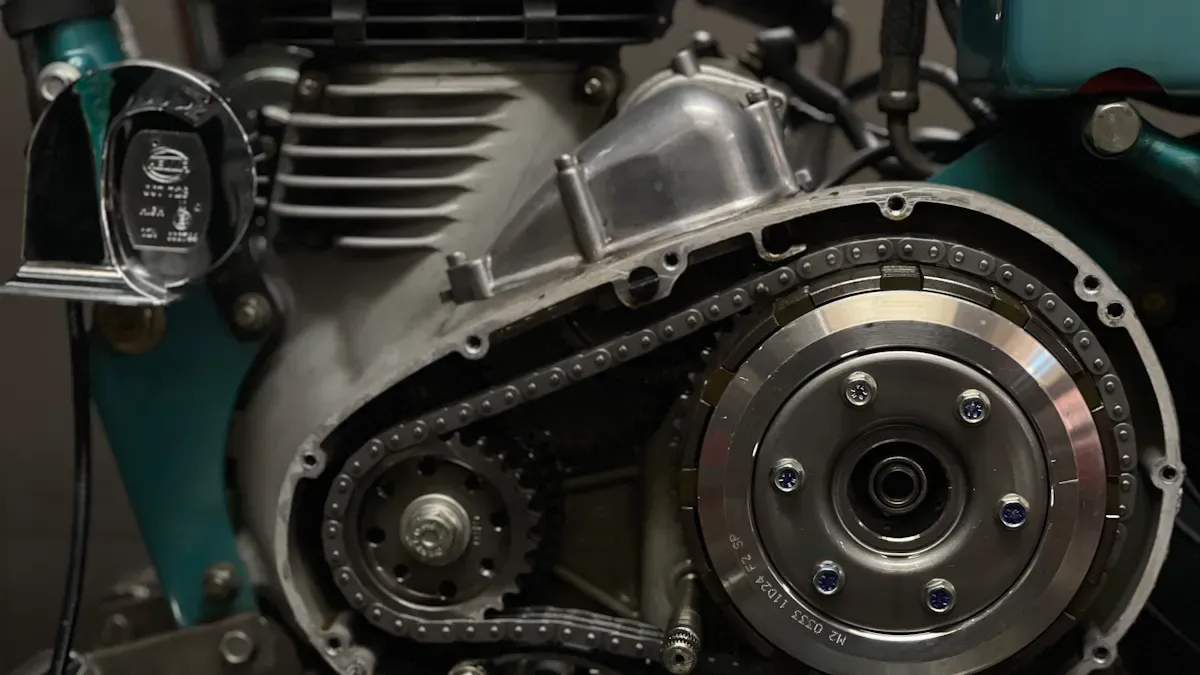
A freewheel clutch lets parts move one way but blocks the other way. It works like bike gears that keep rolling when you stop pedaling. This smart Freewheel Clutch Design helps machines run smooth and safe in cars, tools, and factory machines. Many people want these devices, and the market is growing fast. Experts think demand will be high by 2026. What Is a Freewheeling Clutch? The NFR Freewheel Roller Clutch One Way Bearing from Suma Precision Machinery shows how new designs make machines work better today.
Key Takeaways
A freewheel clutch lets things move one way. It stops movement in the other way. This helps machines stay safe and work better.
These clutches are very important in many things. You can find them in cars, bikes, and big machines. They help start engines and stop things from moving backward.
You must use the right oil and put them in correctly. This helps freewheel clutches last longer. Always do what the maker says for best results.
New freewheel clutches use strong materials like chrome steel. This makes them stronger and helps them last longer. They are good for hybrid and electric cars.
Picking the right freewheel clutch helps machines work better. It also means less time fixing them and keeps people safer.
What Is a Freewheel Clutch?
Definition and Purpose
You can think of a freewheel clutch as a smart device that lets a machine part turn in one direction but stops it from turning the other way. This clutch works passively. It does not need you to press a pedal or push a button. The freewheel clutch reacts to the direction of rotation. When you use a traditional clutch, you must engage or disengage it to connect or disconnect two shafts. The freewheel clutch does this job on its own.
You will find this clutch in many machines. It helps you start engines, drive wheels, and stop machinery safely. Here are the main purposes of a freewheel clutch in mechanical systems:
Starting the engine: It reduces the load at startup. This action protects engine parts and helps them last longer.
Driving wheels: It connects the engine to the driveline. This connection lets power move the wheels.
Stopping machinery: It disconnects the engine from the driveline. This step helps you stop movement quickly and safely.
You may also see a sprag clutch used in similar ways. The sprag clutch is a type of freewheel clutch that uses small metal pieces called sprags to control movement. In some advanced systems, you might find a freewheel clutch control solenoid valve. This valve helps control when the clutch engages or releases, making the system even smarter.
Tip: You can spot freewheel clutches in bicycles, cars, and even electric tools. They make machines safer and easier to use.
Key Features
A freewheel clutch stands out because of its unique features. You do not need to control it directly. It works based on how the parts move. Here are the main features that make a freewheel clutch special:
It operates passively. The clutch responds to the direction of rotation.
It allows power to move in one direction. It lets the shaft spin freely in the other direction.
It prevents back-driving pipeline parts. This means the machine will not run backward by accident.
It reduces energy loss. The clutch uses little friction when not engaged, so machines run more efficiently.
You will find that a sprag clutch shares many of these features. Both types help machines run smoothly and protect important parts.
Here is a table showing what materials make a freewheel clutch strong and reliable:
Feature | Description |
|---|---|
Material | Heat-treated, surface-strengthened alloy steel |
Service Life | Over 10,000 hours with anti-wear steel |
Torque Capacity | Up to 3,000,000Nm for heavy-load jobs |
These features help the freewheel clutch handle tough jobs. You can trust it to last a long time and work well in many machines.
How a Freewheel Clutch Works
Operating Principle
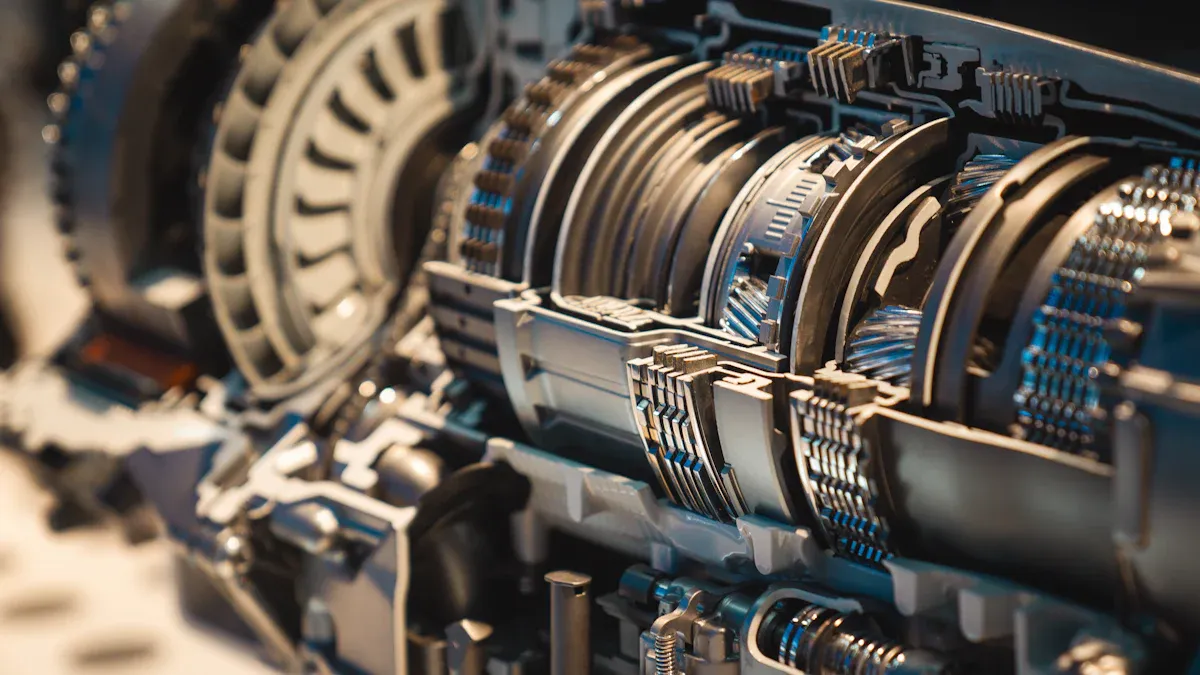
You can understand the principle of operation by looking at how the freewheel clutch responds to movement. When you turn the inner race in the driving direction, the rollers or sprags push against the outer race. This action locks the clutch and lets it transfer torque. If the outer race moves faster or the input stops, the rollers or sprags pull back. The clutch then allows free rotation without driving the input shaft.
Here is a simple table to show you how this works:
Process | Description |
|---|---|
Engagement | When the inner race turns in the driving direction, rollers or sprags lock against the outer race and transfer torque. |
Disengagement | If the outer race moves faster or the input reverses, rollers or sprags retract, allowing free rotation. |
This principle of operation makes the freewheel clutch perfect for machines that need one-way movement. You will see this in bicycles, cars, and many types of industrial equipment.
Main Components
You will find three main parts in a freewheel clutch: the inner race, the outer race, and the sprags or rollers. Each part has a special job.
The outer race stays fixed to the machine housing. It does not move.
The inner race connects to the shaft that turns. It sends torque to the machine.
The sprags or rollers sit between the inner and outer races. They engage or disengage based on the direction of force.
The NFR Freewheel Roller Clutch One Way Bearing uses a roller type. The inner race is keyed to the shaft for a secure fit. The outer race has a precise tolerance for a press fit in the housing. Side notches help transfer torque without slipping. For sizes 8 to 20, you get steel-on-steel support. For sizes above 25, the clutch uses two ball bearings for higher overrunning speed.
Here is a table to help you see what each part does:
Component | Function |
|---|---|
Outer Race | Stays fixed to the housing and supports the clutch. |
Inner Race | Connects to the shaft and transmits torque. |
Sprags/Rollers | Engage or disengage to allow one-way movement. |
You may hear people call this a sprag clutch when it uses sprags instead of rollers. Both types work in a similar way. The sprags or rollers grip when you turn in one direction and let go when you turn the other way.
Here is how the process works step by step:
Engagement Phase: When you apply torque in the right direction, the sprags or rollers grip and let the shaft turn.
Disengagement Phase: When force comes from the other direction, the sprags or rollers let go. The shaft can spin freely without driving the input.
This design keeps your machines safe and efficient. You can also find a freewheel clutch control solenoid valve in advanced systems. This valve helps control when the clutch engages or releases.
Lubrication and Installation
You must pay attention to lubrication and installation if you want your freewheel clutch to last. The NFR Freewheel Roller Clutch One Way Bearing does not have built-in seals. You need to provide oil lubrication during installation. This keeps the rollers or sprags moving smoothly and prevents wear.
For industrial machines, you often use high-temperature grease or oil. This works well in temperatures from -15°C to +150°C. The housing must be strong enough to hold the clutch without expanding. The outer race needs a press fit with n6 tolerance in an H7 housing. The inner race should be keyed to the shaft for a tight fit.
Here is a table to show you the key installation features:
Feature Description | Details |
|---|---|
Type of Freewheel | Roller type, bearing supported, no sealing. |
Lubrication and Sealing | You must provide oil or grease during installation. |
Bearing Support for Size 8 to 20 | Steel-on-steel support. |
Bearing Support for Size Above 25 | Uses two ball bearings for higher speed. |
Inner Race Design | Keyed to the shaft for a secure fit. |
Outer Race Tolerance | Press fit with n6 tolerance in H7 housing. |
Additional Features | Side notches for torque; strong housing to prevent expansion. |
Tip: Always check the manufacturer's instructions before installing a one-way bearing. Good lubrication and a strong housing help your clutch last longer.
You can see that the sprag clutch and roller type both need careful installation and lubrication. This keeps your freewheel clutch working smoothly for years.
Freewheel Clutch Functions
Power Transmission
A freewheel clutch helps move power in machines. When the inner race turns forward, rollers or sprags push on the outer race. This locks the clutch and sends torque from input to output. If the output moves faster than the input, the rollers pull back. The output can then spin without being stopped. This way, energy is not wasted and machines stay safe. You can find this design in bikes and even in airplanes. Both sprag clutch and roller type make machines work better and easier.
Tip: A freewheel clutch keeps your machine safe by stopping it from moving backward when you do not want it to.
Here are some good things about using it:
It makes power move better.
It protects important machine parts.
It is simple and works well.
Overrunning and Backstopping
You use a sprag clutch or overrunning clutch to keep machines going the right way. These clutches act like stoppers. They stop machines from turning backward and keep them safe. When your machine needs to spin freely, the rollers or sprags let go. The output can turn without anything holding it back. You see these clutches in conveyors, winches, and big fans. The sprag clutch locks when you need power and unlocks for free spinning.
People use them for:
Conveyors and winches: Stop loads from rolling back.
Mixers and packaging machines: Let them slow down safely.
Printing presses: Make ink rollers turn smoothly.
Note: The freewheel clutch control solenoid valve helps you control when the clutch grabs or lets go for even more control.
Engine Starting
A sprag clutch is important in engine starters. When you turn the key, the starter motor spins the engine fast. After the engine starts, the freewheel clutch lets go of the starter. This keeps the starter from spinning too fast and breaking. The overrunning clutch keeps the starter safe by letting go at the right time.
Here is what happens:
The starter motor spins the engine.
The engine starts running by itself.
The clutch lets go of the starter to keep it safe.
You see this system in cars, motorcycles, and other engines.
Applications and Industry Use
Automotive Systems
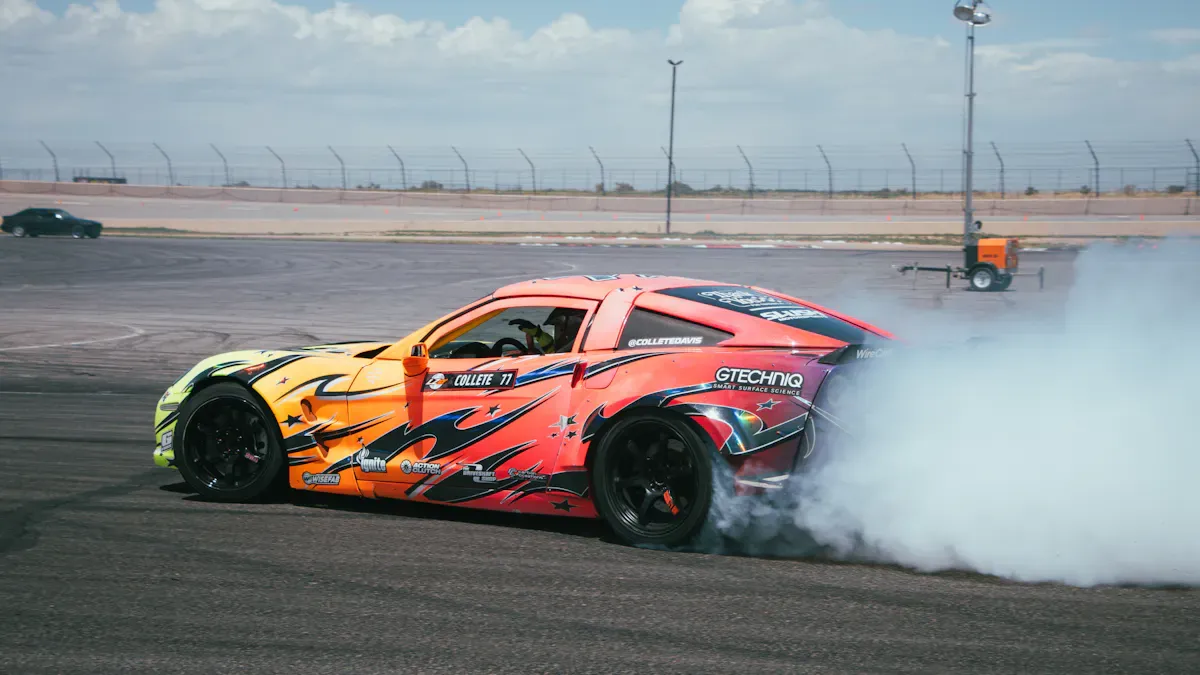
Freewheel clutches are used in many cars today. They help you drive safer and smoother. These clutches give your car better grip on the road. They also help parts last longer and save fuel. You get cool features like start-stop and hybrid driving. The table below shows how these clutches help you drive:
Benefit | Description |
|---|---|
Improve traction control | Lets wheels turn alone on slippery roads. |
Reduce drivetrain stress and wear | Stops extra force when you coast or slow down. |
Enhance fuel efficiency | Cuts down resistance in the engine parts. |
Support advanced features | Helps manage power for start-stop and hybrids. |
Tip: New cars use a freewheel clutch control solenoid valve. This lets you control when the clutch grabs or lets go. It makes driving safer.
Industrial Machinery
Factories and plants use freewheel clutches in many machines. These clutches help machines like conveyors and mixers work safely. Each clutch is made for a special job. The table below shows how clutches work in conveyor systems:
Type of Clutch | Description | Application in Conveyors |
|---|---|---|
Sprag clutch | Locks fast, good for heavy conveyors. | Handles lots of force. |
Roller ramp clutch | Cheaper, has a little play. | Used in medium conveyors. |
Cam type backstop | Strong build. | Used in bucket elevators. |
You also see these clutches in electric tools and robots. They make machines safer and easier to use. For example, a one-way bearing in a lawnmower stops the blade from spinning backward.
Product Example: NFR Freewheel Roller Clutch
The NFR Freewheel Roller Clutch One Way Bearing is a great example. This product works in small tools and big machines. It can handle lots of force and fast speeds. The table below shows its main features:
Specification | Value |
|---|---|
Model | NFR40 |
Torque (N.m) | 1100 |
Overrunning Speeds | Inner Race: 1150 rpm |
Outer Race: 2600 rpm | |
Dimensions (mm) | Bore Size: 40 |
Outer Race Size: 110 | |
Thickness: 63 | |
Weight (Kg) | 3.3 |
Precision Rating | P6 |
Number of Row | Double row |
Inner Diameter | 40mm |
Outer Diameter | 110mm |
Seals Type | sealed |
Type | roller, BALL |
Structure | Deep Groove |
OEM | Accept |
Port | Shanghai; Ningbo |
You can count on this one-way bearing to keep machines working well. It fits many jobs in robots, electric tools, and big machines.
Importance in 2026
Benefits for Modern Machinery
Freewheel clutch technology makes machines smarter in 2026. Manufacturers use these clutches in hybrid vehicles for energy management. Regenerative braking works better because the clutch lets power move one way. It stops power from going back. These clutches also separate parts when needed. This saves energy and lowers wear.
Modern designs use strong materials. Chrome steel gives more strength and stops rust. New designs make clutches lighter and handle heat better. Machines last longer and need less fixing. Here are some main benefits:
Hybrid vehicles use freewheel clutches to save energy and run smoothly.
Advanced materials help clutches resist heat and weigh less.
Longer life means less fixing and more working time.
You can see how these clutches help different machines:
Application Area | Contribution to Reliability and Efficiency |
|---|---|
Industrial Machinery | Stops back-driving, protects from shock, and lowers downtime |
Automotive Systems | Improves fuel use, lowers wear, and makes driving better |
Agricultural Equipment | Keeps machines running smooth and holds loads steady |
Tip: High-quality clutches make machines safer and work better.
Trends and Innovations
Big changes happen in freewheel clutch technology in 2026. Smart alternator systems use better clutch designs for more reliability. These systems help vehicles manage energy and cut emissions. Electric and hybrid vehicles are more popular. This makes people want advanced clutches.
Companies like Suma Precision Machinery add new features. Chrome steel gives strength. Sealed designs keep dirt out. Sprag types let parts turn one way smoothly. Precision engineering helps parts line up and lowers wear.
Feature | Specification | Benefit |
|---|---|---|
Material | Chrome Steel | Stops rust and adds strength |
Precision | P0 | Better alignment and less wear |
Sealing Type | Sealed | Keeps dirt out and lasts longer |
Clutch Type | Sprag | Lets parts turn one way with little backlash |
You will see more new ideas as industries want better machines. Freewheel clutch technology will keep changing to meet new needs.
You now know a freewheel clutch lets machines move one way. It also keeps machines safe from moving the wrong way. This device helps cars, tools, and factory machines work better. If you pick a good clutch like the NFR Freewheel Roller Clutch, your machine will be more reliable and work well. When you want to make your machine better, remember these things:
See if the clutch can handle steady and sudden loads.
Make sure your team can install it and has easy instructions.
Choose tough materials that last long and do not wear out fast.
Check that the clutch fits your drivetrain and works at the right speed.
Using the right clutch makes your machine work better and stops long breaks.
FAQ
What does a freewheel clutch do?
A freewheel clutch lets a part spin in one direction. It stops the part from turning the other way. You use it to protect machines and make them work better.
How do you install a freewheel clutch?
You press the outer race into the housing. You key the inner race to the shaft. Always add oil or grease for smooth movement. Check the fit and follow the instructions.
Where can you use a freewheel clutch?
You find freewheel clutches in cars, bikes, factory machines, and electric tools. They help with power transfer, safety, and smooth operation.
Why should you choose the NFR Freewheel Roller Clutch?
You get strong materials, easy installation, and high performance. The NFR model fits many machines and lasts a long time. Suma Precision Machinery makes it for reliable use.


View More(Total0)Comment lists