





Common mistakes when using one-way bearings
 May 13, 2026|
 View:817
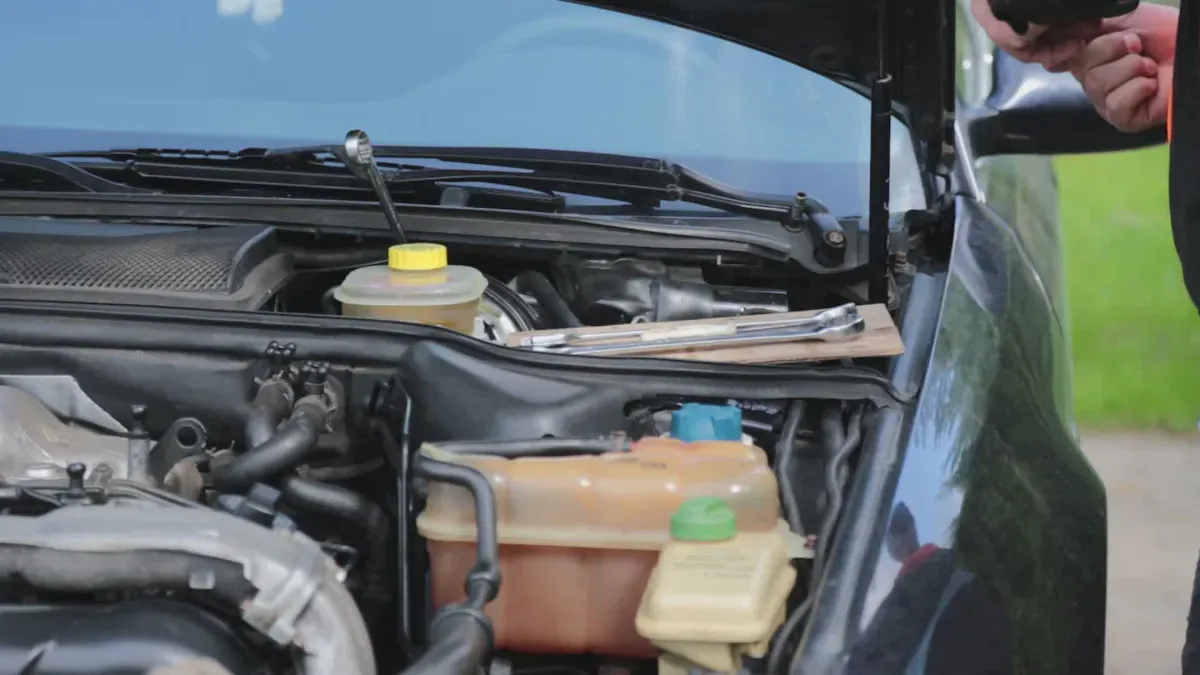
When you use one-way bearings, some mistakes can cause problems or make them break early. You can stop many problems if you know what to watch for. Some of the most common mistakes are:
Using bad or no lubrication, which makes them wear out fast
Putting too much weight on the bearing
Installing the bearing in the wrong way or pressing too hard
Not doing regular maintenance checks
Make sure you install them right, use good lubrication, do not go over the weight limit, and check them often. These steps help your one-way bearings work well and last longer.
Key Takeaways
Always make sure things line up before you put in one-way bearings. If they are not lined up, they can wear out unevenly and break early.
Use the right kind and amount of lubricant. The correct lubricant helps stop friction and makes bearings last longer.
Do not put too much weight on your one-way bearings. If you go over the weight limit, they can get too hot and break.
Check your bearings often for any signs of wear or damage. Finding problems early can save you from expensive repairs.
Follow the maker’s instructions for putting in and taking care of your bearings. This helps them work well and last longer.
Common one-way bearings mistakes
Misalignment issues
You must pay close attention to alignment when you install one-way bearings. If you do not line up the bearing and shaft correctly, you create problems right away. Misalignment causes uneven loading. This means some parts of the bearing carry more weight than others. You will notice increased friction, which can make the bearing noisy. Over time, this leads to early failure. You might even hear strange sounds coming from your machine. Both Sprag and Roller types can suffer from these problems if you do not check alignment.
Uneven loading puts stress on the bearing.
Increased friction creates heat and noise.
Misalignment can cause the bearing to seize or stop working.
You should always use tools to check that the shaft and bearing sit straight. This step helps you avoid costly repairs.
Backward installation
You need to install one-way bearings in the correct direction. These bearings only let the shaft turn one way. If you put the bearing in backward, it will not work as you expect. The shaft may lock up or spin freely when it should not. This mistake can damage your equipment. Sprag and Roller types both need careful attention during installation. Always look for the arrow or mark that shows the correct rotation direction. If you skip this step, you risk machine failure.
Tip: Double-check the rotation direction before you finish installation. This simple step can save you time and money.
Not allowing movement of outer case or shaft
One-way bearings need either the outer case or the shaft to move freely. If you fix both parts in place, the bearing cannot do its job. The bearing may wear out fast or break. You must follow the instructions for your bearing type. Sprag types often need the outer ring to move, while Roller types may need the shaft to rotate. If you block movement, you put extra stress on the bearing. This mistake leads to early failure and costly downtime.
Do not clamp both the shaft and outer case.
Make sure one part can rotate as needed.
Check your setup before starting the machine.
You protect your equipment when you allow proper movement. This step keeps your one-way bearings working well for a long time.
Proper roller bearing installation
Using correct tools
You must use the right tools to put in roller bearings. If you pick the wrong tool, you might break the bearing or make it sit wrong. Many problems happen because the bearing is not put in right. About 16% of early bearing failures come from bad installation. You can stop these problems by doing a few easy things:
Line up the bearing and shaft with care. This stops uneven wearing.
Clean every part before you begin. Dirt or small bits can cause trouble later.
Use the right lubricant. This lets the bearing move easily.
Pick the right fasteners and tighten them just enough. This keeps the bearing in place.
Check which way the bearing turns before you finish. It must match your machine’s needs.
Tip: Always use a bearing press or a soft mallet to install. Never hit the bearing with a hard tool.
Sprag and Roller types need a bit different care. Sprag types need careful lining up because the sprags must be even. Roller types can go faster, but you should not force them in.
Following manufacturer instructions
You should always read and follow what the manufacturer says. Each bearing type may have special steps. For example, Sprag types may need you to check the sprags’ position before you put them in. Roller types may need a certain amount of lubricant or a special way to mount.
Manufacturers tell you about torque, cleaning, and the best lubricants. If you skip these steps, you could break the bearing. You might also lose your warranty. Take time to look at the manual before you start.
You keep your equipment safe and save money by following these rules. Good installation helps one-way bearings last longer and work better in your machines.
Lubrication mistakes with one-way bearings
Lubrication plays a big role in how well your one-way bearings work. If you make mistakes with lubrication, you can cause noise, vibration, and even damage to your bearings. You need to know the most common problems so you can avoid them.
Wrong lubricant choice
You must pick the right lubricant for your bearing. If you use the wrong one, your bearing can wear out fast. Good lubrication helps your bearing last longer. It reduces friction and heat. It also spreads the load across the bearing surface. When you choose a lubricant, you should check its viscosity. Viscosity means how thick or thin the oil or grease is. If the lubricant is too thin, it will not protect the bearing. If it is too thick, it can slow down the movement. Viscosity changes with temperature and pressure, so always check what your machine needs.
Tip: Always follow the manufacturer's guide for the best lubricant type and amount.
Over-lubrication and under-lubrication
Adding too much or too little lubricant can both cause problems. Too much grease can make the bearing run hot. It can also push out seals and let dirt get in. Too little grease causes metal parts to rub together. This makes the bearing noisy and can lead to failure.
Here is a table that shows what can happen if you use too much or too little lubricant:
Mistake | Description | Impact |
|---|---|---|
Over-lubrication | Adding too much grease | Heat, energy loss, seal damage, leaks, and faster wear |
Under-lubrication | Not enough grease | Increased friction, noise, and early failure |
You should always add the right amount of lubricant. Watch for signs like extra heat, strange noises, or leaks.
Ignoring lubrication schedules
You need to check and add lubricant on a regular schedule. If you skip this step, your bearing can run dry or get dirty. Some people add grease without checking the bearing’s condition. This can do more harm than good. You should follow the schedule from the manufacturer. Check the lubricant level and quality often. Adjust how often you add grease based on how your machine runs and where it works.
Check lubrication levels and condition often.
Reapply lubricant as the manufacturer recommends.
Change your schedule if your machine runs hotter, faster, or in a dirty place.
If you keep up with these steps, your one-way bearings will run smoother and last longer.
Exceeding limits
Overloading
You must watch the load you put on your one-way bearings. If you overload them, you risk damaging your equipment. Bearings have a maximum load rating. This rating tells you how much weight or force the bearing can handle. When you go over this limit, you cause extra stress. The bearing may wear out faster or even break.
Overloading can lead to:
Excessive heat
Deformation of bearing parts
Sudden failure
You should always check the load rating before you install a bearing. If your machine carries heavy loads, pick a bearing with a higher capacity. Sprag type bearings usually handle more torque, while roller types work better at higher speeds. You must match the bearing to your application.
Tip: If you notice strange noises or vibration, check the load. These signs often mean the bearing is overloaded.
Ignoring speed ratings
Speed ratings tell you how fast a bearing can spin safely. If you ignore these ratings, you risk overheating and damaging the bearing. Each bearing type has a maximum speed. Sprag types usually work at lower speeds, while roller types can handle higher speeds.
Here is a simple table to help you remember:
Bearing Type | Typical Max Speed | What Happens If Exceeded |
|---|---|---|
Sprag | Lower | Overheating, wear |
Roller | Higher | Noise, vibration |
You must check the speed rating in the manufacturer’s guide. If your machine runs faster than the bearing’s limit, you need a different bearing. Running too fast can cause the lubricant to break down. The bearing may get noisy or fail.
Note: Always match the bearing’s speed rating to your machine’s needs. This step helps you avoid costly repairs and downtime.
Environmental factors
Contaminant exposure
You need to keep one-way bearings safe from things like dust, dirt, and water. These things can cause big problems for your bearings. If dust or dirt gets inside, it can scratch the bearing’s surface. Scratches make the bearing wear out faster and create more friction. This means the bearing might break much sooner than you think. Water is also a big problem. It can make rust and corrosion, especially if your bearing is made of steel or metal. Rust makes the bearing weak and not as strong.
Dust and dirt can scratch the bearing and make it wear out.
Water can cause rust and corrosion, which makes the bearing last less time.
Dirt and water can also make the lubricant not work well, so the bearing has to work harder.
You should always try to keep your bearings clean. Use seals or shields to keep out dirt and water. Check your bearings often, especially if you work in a place that is dirty or wet.
Tip: Clean your tools and work area before you put in bearings. This easy step can help stop your bearing from breaking early.
Unsuitable temperatures
Temperature can change how well your one-way bearings work. If it gets too hot or too cold, the bearing can get damaged. High heat can make the bearing wear out faster. Cold can make the lubricant thick, so the bearing moves slower.
Here is a table that shows how different bearings handle temperature:
Bearing Type | Acceptable Temperature Range | Effects of Exceeding Range |
|---|---|---|
Standard Bearings | 160°F or below | Too much heat makes them wear out and break. |
All-Steel Bearings | Up to 250°F | Can work safely at higher heat. |
Steel with Plastic Components | Lower than all-steel | Can get damaged if it gets too hot. |
High-Speed Applications | 180°F to 200°F | Can handle more heat, but not good for all uses. |
You should always check how hot or cold your machine gets. If you see signs like color changes or weird smells, stop and look at the bearing. Using the right bearing for the temperature helps you stop big problems.
Note: Rust from water and harsh chemicals are also common problems. Pick the right bearing material for your work place to keep your machines working well.
Maintenance mistakes
Skipping inspections
You should check your one-way bearings often. If you do not check them, you might miss early warning signs. Bearings can make strange noises or shake when there is a problem. These sounds and shakes mean something could go wrong soon. You should look for damage, rust, or grease leaking out. If you ignore these things, bigger problems can happen.
Here are some steps to help stop surprise breakdowns:
Listen for weird noises or shaking in your equipment.
Look at the bearings for damage, rust, or leaking grease.
Make a plan to replace bearings, like every 5,000 hours.
Many bearings break because people do not check them enough. You can stop most problems before they get worse. Checking your bearings often helps your machines work well.
Tip: Make a checklist for your checks. This helps you remember what to do and keeps your bearings in good shape.
Not replacing worn bearings
You need to change worn bearings right away if you see signs of wear. If you keep using bad bearings, you can hurt your machine more. Worn bearings can break other parts and cost more to fix. Your machine might stop working and you could lose time. Sometimes, it is hard to find out why things broke.
Here are some problems you might have if you do not change worn bearings:
Other machine parts can get damaged
Big failures and lost work time
Hard to find what caused the problem
Dirt or other stuff can get inside
Metal can rub and wear away
Bearings can get too hot and crack
Water can cause rust when stored
Parts can get out of line and wear out fast
Bad storage can scratch the bearings
You can see that not taking care of bearings causes many problems. The table below shows how often bearings break because of bad care:
Evidence Description | Percentage |
|---|---|
Bearings break early from not enough grease | 80% |
Machines break from not being careful | 84% |
Bearings break from bad fitting, grease, or dirt | Over 70% |
If you change worn bearings and take care of them, you protect your machines and save money. Good care helps your bearings last longer and keeps your machines safe.
Application errors
Wrong bearing type selection
You need to choose the right one-way bearing for your machine. If you pick the wrong type, your equipment can face many problems. Each bearing works best in certain situations. For example, some bearings handle high speeds, while others manage heavy loads. If you use the wrong one, you may see:
Improper installation, which can cause misalignment or too much pressure. This often leads to uneven load and bearing failure.
Excessive wear on parts like wedges or rollers. Over time, the bearing may lose its locking ability and stop working.
Failure soon after installation because the bearing does not match your machine’s needs.
Damage from dirt or water if the bearing does not have the right seals.
Noise or temperature changes, which can mean the bearing is not working well.
You should always check your machine’s needs before you choose a bearing. Look at the load, speed, and environment. This helps you avoid early failure and keeps your equipment safe.
Tip: Ask for help if you are not sure which bearing to use. The right choice saves time and money.
Not considering rotation direction
One-way bearings only work in one direction. You must know which way your shaft turns before you install the bearing. If you ignore this, your machine may not work as planned. Here is what can happen:
The bearing engages and locks only when the shaft turns the correct way. This lets your machine move power where it needs to go.
If the shaft turns the wrong way, the bearing will not lock. It will spin freely, and your machine may lose power or stop working.
The direction of force is key for the bearing to do its job. If you do not match the direction, you risk mechanical failure.
You should always check the rotation direction before you install a one-way bearing. This simple step helps your machine run smoothly and prevents costly mistakes.
You can avoid most one-way bearing problems by following a few simple steps. Check for misalignment, use the right lubricant, and never overload your bearings. Clean your workspace and tools before you start. Review your bearings often and replace them if you see damage.
Inspect for cracks, leaks, or dirt
Clean seals as the manufacturer suggests
Use clean hands and tools
Learn from industry training and standards
Stay updated with training from groups like Timken and MPMA. Regular checks and good habits help your bearings last longer.
FAQ
How do you know if a one-way bearing is failing?
You may hear strange noises or feel vibration. The bearing may get hot or leak grease. If you see rust or cracks, the bearing needs attention. Check your machine often to catch problems early.
Can you clean and reuse a one-way bearing?
You should not reuse a damaged or worn bearing. Cleaning may remove dirt, but it cannot fix wear or cracks. Always replace bearings that show signs of damage.
What happens if you use the wrong lubricant?
The wrong lubricant can cause heat, noise, or early failure. Your bearing may wear out faster. Always use the lubricant your manufacturer recommends for best results.
Why does direction matter for one-way bearings?
One-way bearings only let the shaft turn in one direction. If you install the bearing the wrong way, your machine may not work. Always check the rotation direction before you install.
I want to comment
Recommended Products

22balls starter clutch sprag lock

FWD Motorcycle One Way Freewheel Clutch

BS-R SERIES CAM CLUTCH

Sprag Clutch Flanged Stub Shaft Adaptors

Cage Freewheels Sprag Clutch BWX

One Way Bearing Cage Freewheels K

Overrunning clutch B200
RSCI 180-300 Overrunning Clutch Bearing Gearbox Clutch

Overrunning Clutch One way bearing CSK...P, CSK...P-2RS


Recent News
1.Top 10 Chinese One Way Bearing Manufacturers 2026
2026-04-292.Top 5 Freewheel Clutch Bearing Manufacturers in Brazil
2026-04-083.A Complete Guide to Holdback Backstop Bearing Clutch Applications in Heavy Industry
2026-06-174.Freewheel Overrunning clutch for automation in 2026
2026-04-025.Why Sprag Clutch Bearings Matter in Industrial Applications
2026-02-266.Everything You Need to Know About Freewheel Clutches in 2026
2026-03-127.What are the Advantages of a One Way Bearing?
2026-01-26




View More(Total0)Comment lists