




A Complete Guide to Holdback Backstop Bearing Clutch Applications in Heavy Industry
 Jun 17, 2026|
 View:817
You use a holdback backstop bearing clutch to keep heavy machines safe during tough jobs. This device stops machines from moving backward and protects them. In building and mining, the BS30-BS450HS has special features for strong and steady work.
Holdback backstop bearing clutch stops machines from going backward, which makes things safer for people and machines.
It is very important for conveyor belts that go up or down steep hills, which you see a lot at building sites.
When you add it to monitoring systems, machines work longer and better.
You make your project safer with a holdback backstop bearing clutch, so everything works well even in hard places.
Key Takeaways
Holdback backstop bearing clutches stop machines from going backward. This makes heavy industries safer for everyone.
These sprag one way bearing clutches are important for machines like conveyors and elevators. They help most when the machines are on steep slopes. This keeps accidents from happening and protects workers.
Picking the right clutch depends on load, torque, and the environment. This is important for good performance and safety.
Checking and fixing the clutch often can make it last longer. It also stops expensive repairs from happening.
Knowing how to install the clutch and what mistakes to avoid helps it work well and safely.
Holdback Backstop Bearing Clutch Basics
Definition and Function
A holdback backstop bearing clutch stops machines from moving backward. It keeps heavy equipment safe by blocking reverse rotation. When you put it in a machine, you help prevent accidents and damage. You see these clutches in things like inclined conveyors, escalators, pumps, gear drives, and fans. These systems need good control to work safely and well.
Tip: A holdback backstop bearing clutch changes back-and-forth motion into one-way motion. This is important when you want to stop machines from moving backward.
Here is a table showing the main features of a modern holdback backstop bearing clutch:
Feature | Description |
|---|---|
Instant Locking Backstop Bearing | Locks right away to stop reverse rotation. |
Heavy-Duty Sealed Construction | Strong seals and tough steel parts keep dirt out. |
Maintenance-Free Operation | Comes pre-lubricated and sealed, so you don’t need to fix it often. |
High-Torque Capacity | Handles big jobs with torque up to 10,000 Nm. |
Wide Temperature Tolerance | Works well in very hot or cold places. |
Easy Integration & Customization | Fits easily and can be made for special needs. |
How It Works
The holdback backstop bearing clutch stops rotation during tough jobs. If your equipment tries to move backward, the clutch locks right away. This keeps your machines safe from damage.
The clutch has cams, inner and outer races, springs, and bearings. Each part does something important:
Component | Function |
|---|---|
Cams | Start and stop the clutch to block backward movement. |
Inner and Outer Races | Give the cams a place to work, letting motion go one way. |
Springs | Push the cams so they touch the races all the time. |
Bearings | Keep everything lined up and hold loads when cams engage. |
This design helps your equipment react fast if it faces a sudden load or tries to move backward. The clutch locks things in place, so you avoid expensive repairs and lost time.
Role in Heavy Industry
You find holdback backstop bearing clutches in places that use heavy machines. They are very important in mining, quarrying, cement, and steel work. In mining, they stop conveyors from running backward, which could waste materials and break equipment. In quarrying, they help keep machines safe and working right. Cement plants use them to stop big failures in conveyors that carry heavy loads. Steel factories use them to protect against damage from reverse running.
You also see these clutches in construction, where you need to control machines like conveyors. Stopping reverse rotation is key for many jobs in construction and other heavy industries.
Used in machines like conveyors, elevators, and wind turbine gearboxes.
Stops backward movement to protect equipment from damage.
Found in many kinds of heavy equipment in different industries.
When you pick the right holdback backstop bearing clutch, you make your work safer and more efficient. You keep your construction projects going and protect your expensive machines.
Applications in Heavy Equipment
Conveyors
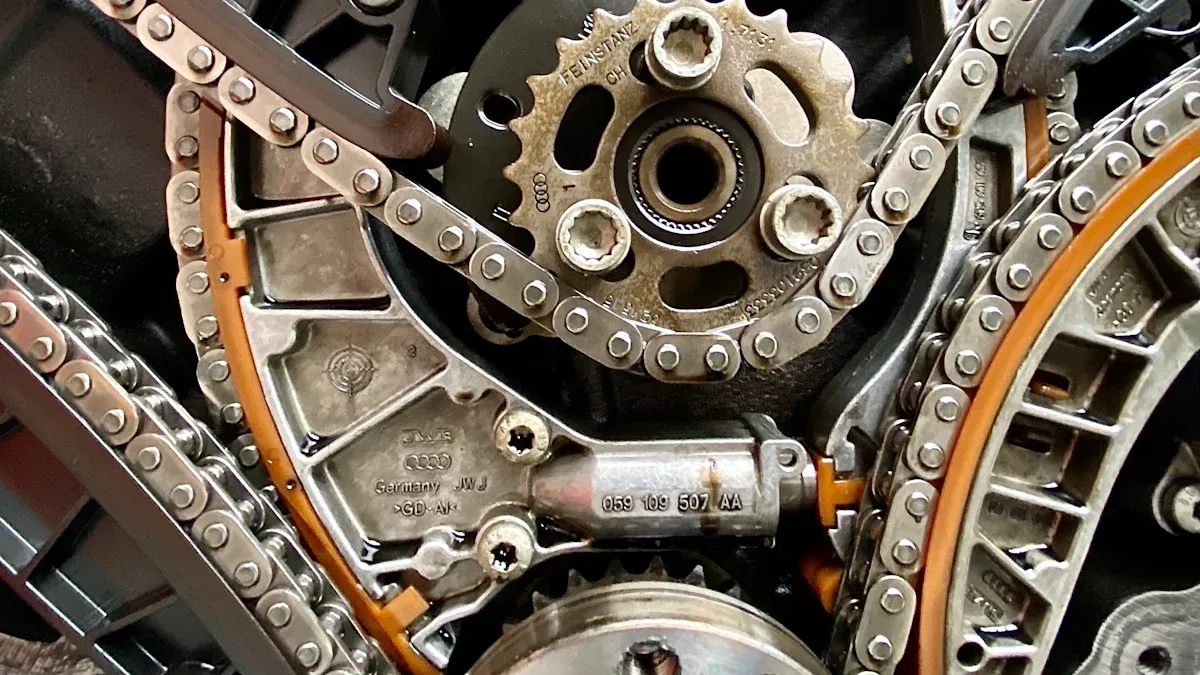
Holdback backstop bearing clutches are used in conveyor systems. These clutches stop the conveyor from rolling backward. This keeps your project safe. When you use heavy equipment on steep conveyor lines, you need to stop sudden backward movement. This helps your material move smoothly. It also protects your loaders and haulers from damage. You lower the chance of worker injuries. You also avoid expensive delays in construction.
Elevators
Elevators at construction sites and factories use these clutches for safety. They stop elevators from moving the wrong way. This is important when carrying heavy loads. The table below shows how these clutches make elevators safer:
Safety Implication | Description |
|---|---|
Prevents product rollback | Backstops stop product rollback on inclined conveyors, reducing the risk of injuries and damage. |
Reduces maintenance | By preventing rollback and shock loading, backstops help minimize maintenance needs. |
Mitigates high-speed risks | In conveyors that reverse, backstops prevent acceleration to dangerous speeds. |
When you use elevators with other machines, you want to avoid accidents. These clutches help you keep your project safe.
Mining Machinery
Mining sites use many kinds of heavy equipment. These include excavators, bulldozers, loaders, and cranes. Holdback backstop bearing clutches keep mining machines running safely. They stop reverse rotation, which can hurt your equipment. This also helps prevent dangers at the site. You keep your project moving and protect your machines. The clutch design lets your machines work well with different loads. This makes your construction jobs more reliable.
Construction Equipment
You use many types of heavy equipment in construction. These include excavators, bulldozers, loaders, cranes, and paver machines. Holdback backstop bearing clutches are very important in these machines. They stop reverse movement and protect your equipment from sudden problems. When you work on a project, you want everything to be safe and work well. These clutches help by keeping your machines steady. They also lower the chance of breakdowns.
Wind Turbine Gearboxes
Wind turbine gearboxes need strong protection from going backward. Holdback backstop bearing clutches let the gearbox turn only one way. If reverse torque happens, the clutch locks with the frame. This stops any backward motion. Your wind turbine project stays safe. Your heavy equipment, like cranes and loaders, can keep working. You also protect your investment in excavators and paver machines for wind farms.
Tip: Picking the right clutch for your loader, excavator, or bulldozer makes every project safer and more reliable.
Selection Criteria
Picking the right holdback backstop bearing clutch matters a lot. You want your heavy equipment to work safely and well. The right clutch keeps your machines safe and your site running. Here are the main things to think about:
Load and Torque
You must match the clutch to your project’s load and torque. If the clutch is too weak, your equipment could break. This can cause safety problems. The BS30-BS450HS can handle high torque up to 10,000 Nm. It works well for tough jobs in industry.
Axis | Description | Example Torque Calculation |
|---|---|---|
X-Axis | Torque from a load that is not centered. | 4.9 Nm for a 10 kg load offset by 50 mm. |
Y-Axis | Torque from a load that sticks out past bearing. | 13.7 Nm for a 7 kg load extending 200 mm. |
Z-Axis | Torque from a sideways force on the bearing. | 5 Nm from a 50 N force applied 100 mm away. |
You should check the materials used in the clutch. High-cleanliness steel in the BS30-BS450HS lowers stress and stops early wear. This helps your clutch last longer and keeps your project going.
Tip: Always check torque needs for each machine before picking a clutch. This step helps you avoid costly downtime.
Speed and Environment
Speed and environment change how your clutch works. The BS30-BS450HS works in temperatures from -30°C to 120°C. It is good for both hot and cold sites. Its IP66 triple-lip sealing keeps dust and water out. You can use it in tough places.
If your project has high speeds or bad weather, you need a strong clutch. The BS30-BS450HS does not need much care. You do not have to stop your project for checks or oil.
Use a clutch with strong seals for dusty or wet places.
Pick a model that works at the speeds your machines need.
Equipment Compatibility
You need a clutch that fits your equipment easily. The BS30-BS450HS has standard sizes for quick setup. You can swap old clutches fast and keep working. If you need something special, you can ask for OEM or ODM options.
Feature | Description |
|---|---|
Easy Integration | Standard sizes fit most heavy equipment. |
Customization | OEM/ODM options for unique project requirements. |
Instant Engagement | Self-locking wedge for immediate response to reverse rotation. |
Note: Always check the size and mounting style of your equipment before ordering a clutch. This step makes installation easy and keeps things working.
Safety Standards
Safety is very important for any project. You want to keep workers, machines, and materials safe. The BS30-BS450HS has safety features like instant engagement and a sealed design. These features help stop accidents and keep your site safe.
Look for clutches with good safety features.
Make sure the clutch meets safety rules for your area.
Choose models that lower the risk of reverse movement and damage.
When you pick a holdback backstop bearing clutch with strong safety features, your project runs without surprise stops. You also protect your machines and keep your site safe.
Installation Guide
Pre-Installation Checks
You need to look at your equipment before you start. Check for any damage or worn parts. Make sure you have the right holdback backstop bearing clutch for your machine. Look at the torque and size you need. Check that all mounting surfaces are flat and clean. Get all the tools you need before starting. Doing this helps you avoid mistakes and saves time.
Tip: Read the manual from the maker before you begin. This helps you know what your clutch needs.
Installation Steps
Here are the steps to install your clutch:
Put the clutch on the right shaft. Line it up with the holes.
Use the bolts the maker suggests. Tighten them to the right torque.
Make sure the clutch faces the right way. This stops the machine from moving backward.
Look at the seals. They should be in place and not broken.
Turn the shaft by hand. It should move smoothly.
Check your work again before you turn on the machine.
Common Mistakes
People often make the same mistakes when installing. You can stop these problems by checking the table below:
Common Installation Errors | Description |
|---|---|
Wrong torque selection | Using the wrong torque can break the clutch. |
Installed in wrong direction | If it is not lined up, it may not work right. |
Insufficient lubrication | Not enough oil or grease can wear out the clutch. |
Shock loading during start | Sudden force can hurt the clutch. |
Backstop on wrong shaft | Putting it on the wrong shaft makes it not work. |
Check every step to keep these mistakes from happening.
Safety Tips
Always think about safety first. Wear gloves and safety glasses when you work. Use safe lifting tools for heavy parts. Never work on a machine that is turned on. Lock and tag the machine before you start. If you are not sure, ask your boss or check with the maker.
Note: Careful work keeps your equipment safe and helps your clutch last longer.
Operation and Maintenance
Operating Best Practices
You should always use your equipment the right way. Start machines slowly to check for strange noises or shaking. Watch the clutch while the machine is running. If you see or hear anything odd, stop the machine and look at the clutch. Only use the BS30-BS450HS where the temperature and seals are right. Do not put too much weight on the clutch. These steps help keep your machines safe and working longer.
Tip: Checking your machines often helps you find problems early and keeps everyone safe.
Routine Maintenance
The BS30-BS450HS does not need much care because it is sealed and already has oil inside. You should look at the clutch every few months. Check for dirt, damage, or anything that looks wrong. If you see dirt or trash, clean around the clutch. You do not have to open the clutch or add oil. This saves you time and money.
Task | Frequency | Action Needed |
|---|---|---|
Visual Inspection | Every 3 months | Check for dirt or wear |
Cleaning Surroundings | As needed | Remove debris |
Performance Check | Monthly | Listen for noise |
Lubrication and Inspection
You do not need to add oil to the BS30-BS450HS. The sealed case keeps the inside parts safe. Just look at the clutch for leaks or broken spots. If you see oil on the outside, tell the maker. Use a flashlight to look at the seals and where the clutch is attached. Checking the clutch often helps your machines work well.
Extending Service Life
Keep the area around the clutch clean and do not overload it. Only use the clutch in the right temperature and torque range. Plan regular checks to make sure everything is okay. If you see signs of trouble, change the clutch. Doing these things helps your machines last longer and saves you money.
Note: Keeping things clean and using the clutch the right way helps it last a long time.
Troubleshooting
Common Issues
You might have problems with holdback backstop bearing clutches in big machines. These problems can make things less safe and not work well. Here are some things to look out for:
Unusual noises: If you hear grinding or clicking, something inside the clutch may be wrong.
Slipping: The clutch might not lock, so the machine could move backward.
Excessive vibration: Too much shaking can mean parts are worn out or not lined up right.
Contamination: Dirt or water can get in if the seals are broken.
Overheating: If it gets too hot, it might be working too hard or not have enough oil.
Tip: Check your machines often. This helps you find problems early and stop bigger issues.
Failure Symptoms
You should know what signs show your clutch is not working right. Seeing these signs helps you fix things fast and avoid stopping work.
Symptom | What It Means |
|---|---|
Reverse rotation | The clutch is not locking like it should. |
Loud noises | Parts inside may be broken or worn out. |
Oil leaks | The seal may be broken or the case is damaged. |
Reduced performance | The clutch might slip or not work right. |
Visible wear | Some parts need to be changed. |
If you see any of these signs, stop the machine and check the clutch.
Repair or Replace
You have to choose if you will fix or change the clutch after you look at it. Do these steps:
Look at the clutch for damage or worn spots.
Check the seals and where it is attached for leaks or cracks.
If you find small problems, clean the area and tighten the bolts.
If you see big problems like broken parts or bad seals, put in a new clutch.
Note: Always use real parts and follow what the maker says. This keeps your machines safe and working well.
If you are not sure, ask the maker or a trained expert. Acting fast helps you save money and keeps your project going.
When you pick the right holdback backstop bearing clutch, your project is safer and works better. Some clutches do not need much care, can handle strong force, and keep out dirt. These features help protect your machines. If you install and take care of the clutch the right way, your project keeps going without problems. Talking to experts or the company helps you find what works best for your job. You make sure safety comes first and your work stays on schedule.
Tip: Always check what your project needs and think about safety to get the best outcome.
FAQ
What is the main purpose of a holdback backstop bearing clutch?
You use a holdback backstop bearing clutch to stop reverse rotation in heavy machines. This device protects your equipment and keeps your industrial project safe from unexpected failures.
How do I choose the right clutch for my industrial project?
You should check your load, torque, speed, and environment. Match the clutch to your project requirements. Always review the equipment manual and consult experts if you need help.
Can I use the BS30-BS450HS in a construction project?
Yes, you can use the BS30-BS450HS in a construction project. Its high torque, sealed design, and maintenance-free features make it ideal for tough job sites.
How often should I inspect the clutch?
You should inspect the clutch every three months. Look for dirt, damage, or leaks. Regular checks help your industrial project run smoothly and prevent downtime.
What should I do if the clutch fails during operation?
Stop your machine right away. Check for visible damage or leaks. Replace the clutch if you see broken parts. Always follow safety rules and contact the manufacturer for support.


View More(Total0)Comment lists